Typical applications
- Reinforcement cage tying
- Slab, beam and column bar fixing
- Formwork and general site binding
- Masonry and light fabrication ties
Workable low-carbon wire for securing reinforcement cages and maintaining bar placement before concrete pours.
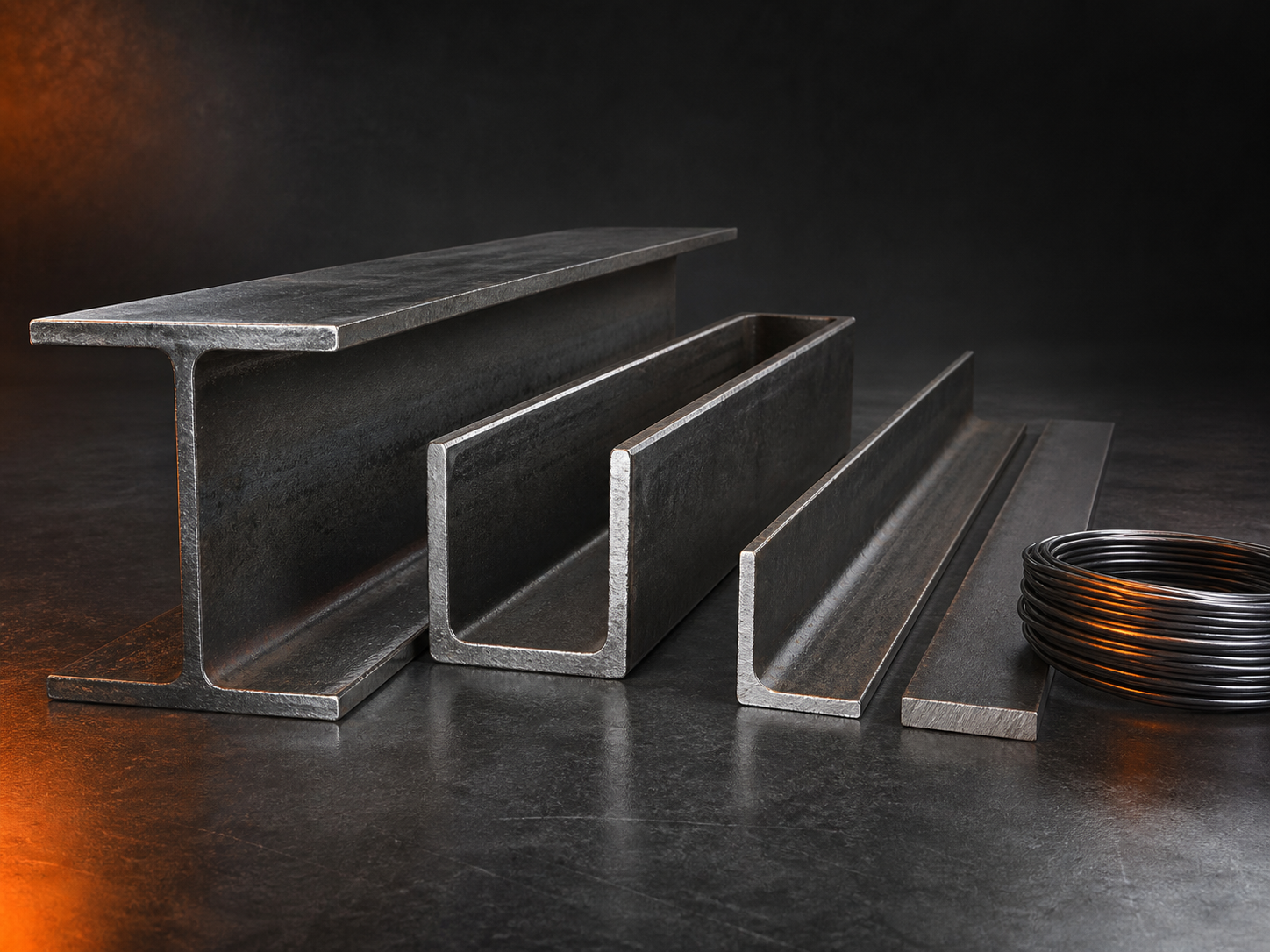
Binding wire holds reinforcement intersections in position during fixing, inspection and concreting. Consistent diameter, suitable annealing, surface condition and practical coil size affect both tying speed and site handling.
Final selection belongs to the project specification and engineer. Confirm these inputs before placing an order.
Record this requirement clearly in the enquiry, drawings or material schedule.
Record this requirement clearly in the enquiry, drawings or material schedule.
Record this requirement clearly in the enquiry, drawings or material schedule.
Record this requirement clearly in the enquiry, drawings or material schedule.
A simplified process overview. The exact production and inspection route depends on the ordered product and applicable standard.
Low-carbon wire rod is reduced to the target diameter.
Controlled heat treatment develops the workability needed for tying.
Wire is formed into manageable coils for transport and site use.
Diameter, surface condition and packaging are checked before dispatch.
Practical answers for early product and procurement discussions.
Annealing improves workability so the wire can wrap and twist around bars with less spring-back and breakage.
Consumption varies with bar diameter, reinforcement density, tying pattern and crew practice. Use the bar bending schedule and site norms to estimate.
Check coil identification, diameter, surface condition, pack integrity and the ordered quantity.
Add the confirmed grade or material, dimensions, quantity, delivery location and required date. The tool copies the brief without sending personal data.